

Social Security Disability Hearing in Ohio: Essential Guide
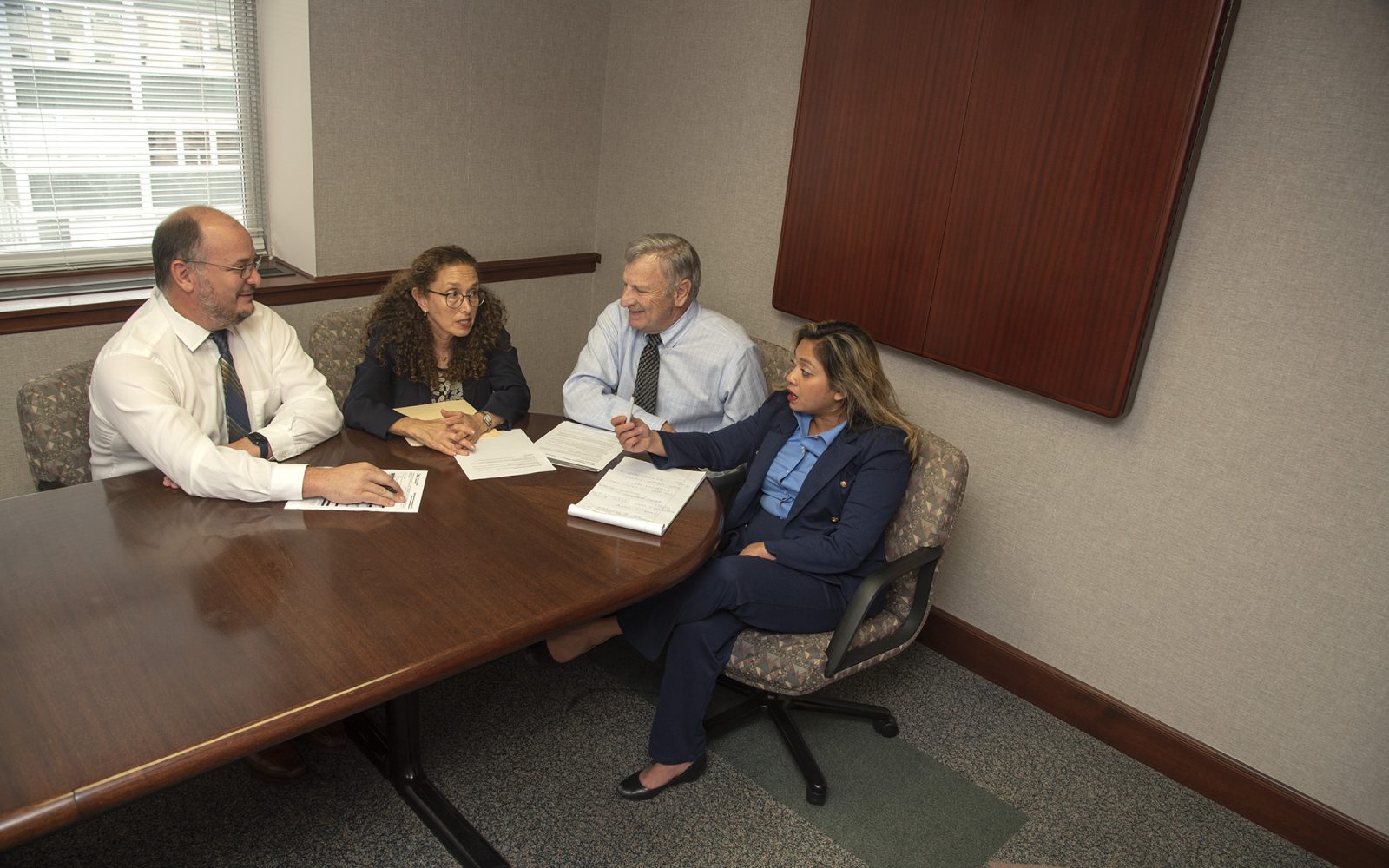
If your disability claim was denied and you requested a hearing, you probably want to know what actually happens in that room. A Social Security Disability hearing in Ohio is a meeting with an administrative law judge. The judge reviews your claim and asks you questions about your health, your past work and your daily life. This guide walks through the general structure so the day feels less uncertain.
This is general information, not advice about your own claim. Every case turns on its own facts. Still, understanding how a hearing usually works can help you feel more prepared for what comes next.
What an administrative law judge hearing is
An administrative law judge, often shortened to ALJ, is an independent decision-maker who was not involved in the earlier decisions on your claim. The hearing is their chance to look at your file and hear directly from you. It is not a trial. There is no jury, and the setting is usually small and fairly informal.
Hearings may happen in person, by video or by phone. Where and how yours is held depends on the hearing office handling your case and the options available to you. The Social Security Administration schedules the date and sends notice ahead of time.
Who is usually in the room
The judge runs the hearing and asks most of the questions. A hearing reporter records everything that is said. In many cases, the judge also calls expert witnesses to help answer specific questions. If you have a representative, that person sits with you and may question the experts too.
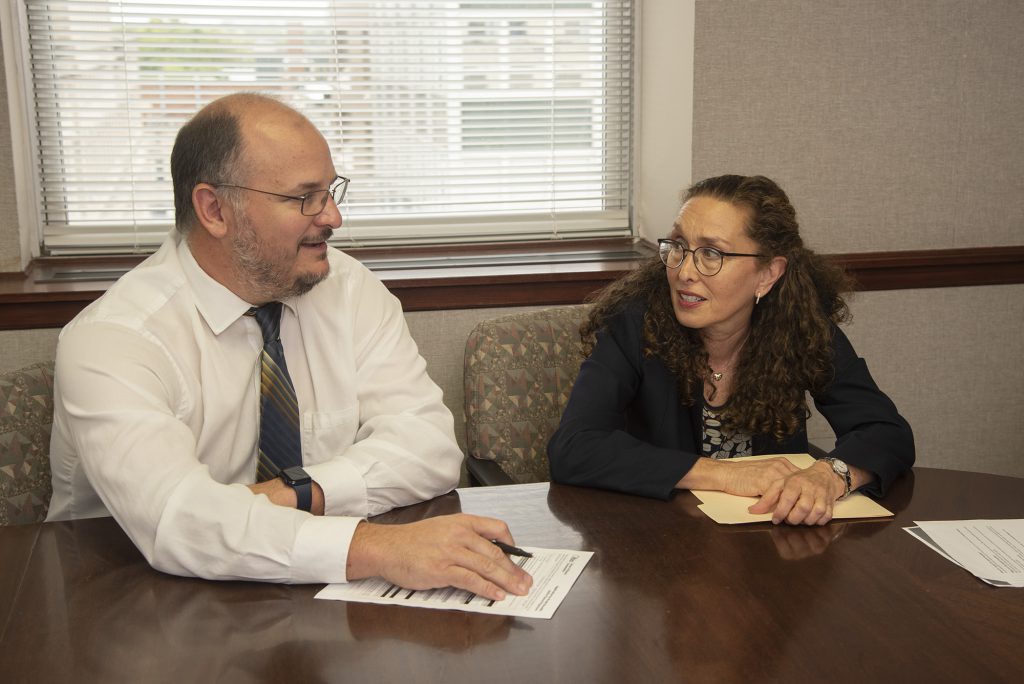
How a Social Security Disability hearing in Ohio usually unfolds
Most hearings follow a similar rhythm, even though no two are identical. The judge typically starts by explaining the process and confirming what is already in your file. After that, you are placed under oath, which means you promise to tell the truth. For more on what to expect at this stage, see our overview of disability hearings.
Then the questioning begins. The judge usually asks you about your conditions first, then moves to your work history and your daily activities. Expert witnesses, if present, testify later.
The judge’s questions about your medical conditions
The judge wants to understand what you are dealing with and how it affects you. Expect questions about your diagnoses, your symptoms, your treatment and your medications. They may ask how often symptoms flare up and what makes them better or worse.
Judges generally rely on specific, detailed testimony, since vague answers are harder to weigh. For example, a description of how far a person can walk before needing to rest tells a judge more than simply saying walking is hard.
Questions about your work history
The judge needs a clear picture of the jobs you held before you stopped working. Judges typically ask about what the work involved day to day, not just the job title. That means lifting, standing, sitting, and the mental demands of the role.
This matters because disability decisions often compare what your past jobs required with what you can still do. A short, accurate description of each job helps the judge make that comparison. If your condition stems from a workplace injury, you may also want to review our workers’ compensation practice.
Questions about daily activities and limitations
Judges also ask how you spend an ordinary day. They may ask about cooking, shopping, driving, chores and caring for others. These questions are not meant to trip you up. They help the judge understand your real functional limits.
Judges generally seek a realistic picture of a person’s abilities, including the harder days. A task may still be possible but take much longer or be exhausting. That is the kind of detail that helps a judge understand real functional limits.
The role of vocational and medical experts
To help answer certain questions, a judge may call on outside experts. These witnesses do not decide your claim. They give opinions the judge can consider alongside everything else in the record.
The vocational expert
A vocational expert knows about jobs and what they require. The judge usually asks this expert questions that describe a person with certain limitations, then asks whether jobs exist that such a person could do. The answers help the judge think through whether work is realistic given your restrictions.
Your representative, if you have one, can question the vocational expert as well. That is often where the limitations in your medical records become important.
The medical expert
Sometimes a judge calls a medical expert to explain the medical evidence. This expert reviews your records and answers questions about your conditions and how they might limit you. Like the vocational expert, they advise the judge rather than decide anything.
Why organized medical evidence matters
Your medical records are the backbone of your claim. The Social Security Administration bases disability decisions heavily on objective medical evidence, such as test results, treatment notes and statements from providers who treat you.
That means records that are complete and up to date help the judge see the full picture. Gaps in treatment or missing records can leave questions unanswered. Keeping your medical documentation organized before the hearing is one of the more practical steps a person can take. Much of this groundwork begins when you first learn how a disability application works.
Common mistakes and myths
One common myth is that the hearing is a test you can pass by sounding tough. In reality, downplaying your symptoms can hurt more than help, because it may not match your records. Another myth is that the judge already decided before you walked in. The hearing exists precisely because the judge wants to hear from you.
A frequent mistake is answering only in general terms. Specific, honest answers that line up with your medical evidence give the judge something concrete to work with.
What typically happens next
Most judges do not announce a decision at the hearing. Instead, you usually receive a written decision in the mail some time later. How long that takes depends on the case and the hearing office.
If the decision is unfavorable, there are further steps in the appeals process, and time limits apply to those steps. An attorney can confirm which deadlines apply to your situation. In general, any notice you receive will describe the applicable time limits, and a reader may wish to consult an attorney about them.
Getting help preparing
Preparing for a hearing can feel like a lot while you are also managing your health. You do not have to sort through it alone. Casper, Casper & Casper handles Social Security Disability claims and can explain how the process generally works. Attorneys like Steve Casper and Robin Partin work with clients through this process.
If you want someone to look at your situation, you can request a free case review and the firm will explain your options. To learn more about this area of our work, visit our Social Security Disability practice page. You can also explore the practice areas we handle when you are ready.
This website is provided by Casper, Casper & Casper for general informational and promotional purposes only. The content presented here is not intended to serve as, and should not be relied upon as, legal advice. Visiting or using this site does not create an attorney-client relationship. For advice regarding your specific legal situation, you should consult a qualified attorney directly.
A disability hearing is a conversation about your health, your history and your real limits, guided by a judge who wants the facts. Knowing the structure ahead of time helps you focus on giving honest, specific answers. Casper, Casper & Casper serves clients across Southwest Ohio, with offices in Cincinnati, Middletown, Hamilton and Dayton. The firm is available if you want to talk through what a hearing involves.
Frequently Asked Questions
How long does a Social Security Disability hearing usually last?
The length varies with the case and how many witnesses the judge calls. The judge spends time on your medical conditions, your work history and your daily activities.
Who asks the questions at the hearing?
The administrative law judge asks most of the questions. If expert witnesses are present, the judge questions them too, and your representative may also ask questions.
What is a vocational expert and why is one there?
A vocational expert is a witness who knows about jobs and their requirements. The judge asks this expert about work a person with certain limitations might be able to do. The answers help the judge consider your claim.
Do I need to bring my medical records to the hearing?
Your medical evidence is central to the decision, so your records should be complete and up to date in your file before the hearing. An attorney can help you understand what documentation is relevant to your situation.
Will the judge decide my case at the hearing?
Usually not. Most judges send a written decision in the mail some time after the hearing, and how long that takes depends on the case.