

Social Security Disability Interview Questions in Ohio: A Guide
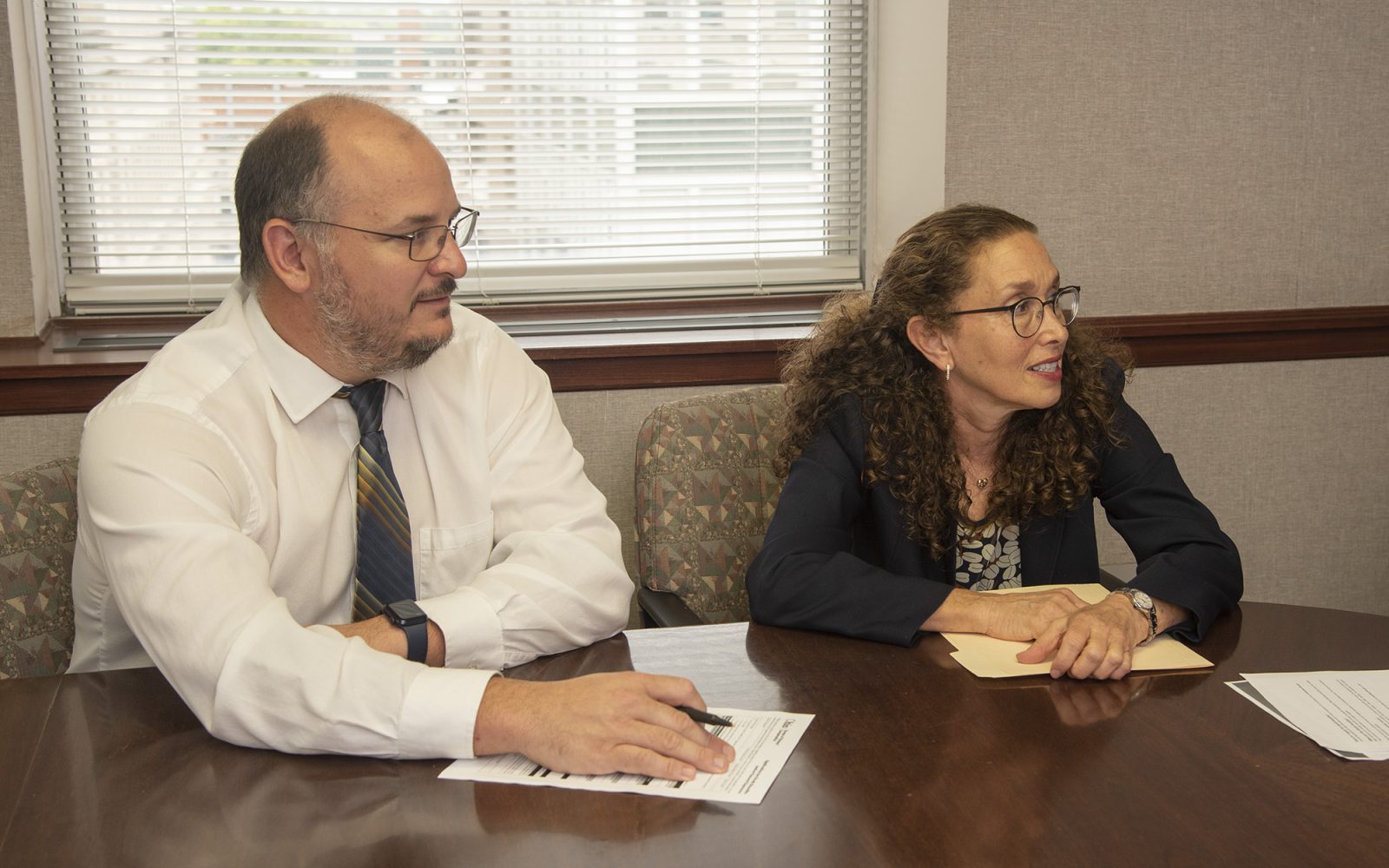
If you have applied for benefits, the Social Security Administration may schedule an interview to go over your claim. That step can feel intimidating when you do not know what to expect. This guide explains the common social security disability interview questions in Ohio applicants tend to hear. It also covers how the interview fits into the larger process, and why complete, consistent answers matter.
The interview is not a test you pass or fail. It is a conversation. A claims representative from the SSA walks through your application, fills in gaps, and confirms the information the agency needs to review your case. Knowing the general shape of that conversation ahead of time can take some of the pressure off.
Where the interview fits in the application process
Applying for Social Security Disability usually starts with filing a claim online, by phone, or at a local office. After you file, the SSA reviews what you submitted and often follows up to collect missing details or verify what you reported. If you want a fuller overview of how a disability application works, it helps to understand each stage before the interview.
That follow-up frequently takes the form of an interview. For people applying for Supplemental Security Income, or SSI, an interview is especially common. That is because SSI looks at financial need on top of the medical question.
SSI and Social Security Disability Insurance, or SSDI, are two different federal programs. SSDI is tied to your past work and the taxes you paid in. SSI is based on limited income and resources. Because SSI weighs your finances, the interview tends to cover more ground about how you live and what you have. You can read more about the difference between SSDI and SSI if you are unsure which program fits your situation.
Who conducts the interview
A claims representative handles this step. Their job is to record accurate information, not to decide your medical case. The medical decision usually happens separately, through state agency staff who review your records. That means the person interviewing you is gathering facts, not ruling on whether you qualify.

Common social security disability interview questions in Ohio
The questions fall into a few broad categories. The exact wording varies, and not every applicant gets asked every question. Still, these themes come up again and again.
Identity and basic background
Expect questions that confirm who you are. The representative may verify your name, date of birth, Social Security number, and contact information. They often ask about marital status and anyone who depends on you.
This part is usually quick. Having your documents nearby, like your ID and Social Security card, makes it smoother.
Work history
The agency wants a clear picture of your past jobs. You may be asked where you worked, what you did day to day, how long you held each position, and when you stopped working.
Be ready to describe the physical and mental demands of your old jobs. For example, how much lifting, standing, or concentration each role required. These details help the SSA understand what kind of work, if any, your condition now affects.
Medical treatment and conditions
A large part of the interview covers your health. The representative typically asks what conditions you have, which doctors and clinics treat you, what medications you take, and when your treatment happened.
You do not need to recite your medical history perfectly from memory. What helps is knowing the names of your providers and roughly when you saw them, so the SSA can request the right records.
Daily activities
Questions about your daily life are standard. The representative may ask how you handle cooking, cleaning, shopping, driving, personal care, and getting around.
These questions are not meant to trip you up. They help the agency understand how your condition affects ordinary tasks. Answer based on a typical day, including the days that are harder than others.
Living situation and income, especially for SSI
If you applied for SSI, the interview digs into your finances. You may be asked where you live, who you live with, whether you pay rent, and how your household shares expenses.
The representative also asks about income and resources. That can include wages, other benefits, bank accounts, vehicles, and property. Because SSI is based on financial need, this information matters to whether the program applies to your situation.
Why complete and consistent answers matter
The information you give at the interview should line up with what is in your application and your medical records. When answers conflict, the agency may have to follow up, which can slow things down.
Consistency does not mean memorizing a script. It means answering honestly and describing your situation the same way you did on paper. If something changed since you filed, say so plainly.
Describe a typical day, not your best day
Many people instinctively downplay their struggles. On a form or in conversation, it is easy to say you are “fine” out of habit. For the SSA, an accurate picture is more useful than an optimistic one.
Think about what an average day actually looks like, including the parts that are difficult. That gives the agency the full context it needs.
Common mistakes to avoid
A few patterns tend to cause problems. Guessing at dates or provider names can create records that do not match. Leaving out a condition or a past job can leave gaps. Rushing through financial questions on an SSI claim can lead to back-and-forth later.
Taking a moment to gather your documents before the interview helps you avoid these. There is nothing wrong with saying you need to check a date and following up.

What usually happens next
After the interview, the SSA continues building your file. The agency often requests medical records from the providers you named and may send forms or ask for more information.
In many cases, the medical review happens after the interview, handled by state agency staff. For Ohio applicants, medical eligibility determinations are made by Ohio’s Disability Determination Services (DDS) within Opportunities for Ohioans with Disabilities, in agreement with SSA. Processing times vary based on the facts of each claim and how quickly records come in. No one can promise a timeline or an outcome, and anyone who does should give you pause.
If you want help understanding how the process applies to your own situation, that is a reasonable time to talk with an attorney. You could speak with attorney Steve Casper or attorney Robin Partin. The firm Casper, Casper & Casper handles Social Security Disability claims and can review your situation through a free case review and explain your options. If your disability stems from a job-related injury, you may also want to learn about our workers’ compensation practice.
To learn more about how these claims work, you can read our Social Security Disability practice area page. Or you can request a free case review and send us your question. You can also see the full range of the practice areas we handle.
This website is provided by Casper, Casper & Casper for general informational and promotional purposes only. The content presented here is not intended to serve as, and should not be relied upon as, legal advice. Visiting or using this site does not create an attorney-client relationship. For advice regarding your specific legal situation, you should consult a qualified attorney directly.
The interview is one step in a longer federal process, and preparing for it is mostly about organizing what you already know. If you live in Southwest Ohio and have questions, Casper, Casper & Casper serves clients from offices in Cincinnati, Middletown, Hamilton and Dayton. A free case review can help you understand what to expect next.
Frequently Asked Questions
Is the Social Security Disability interview the same as a hearing?
No. The interview is an early step where a claims representative gathers and verifies information for your application. A hearing before an administrative law judge is a separate, later stage that can happen if a claim is denied and appealed.
Do all disability applicants get an interview?
Not always, but it is common, especially for people applying for Supplemental Security Income. SSI reviews financial need, so the agency often needs to confirm details about income, resources and living situation.
What should I bring or have ready for the interview?
Having your ID, Social Security number, a list of your medical providers and medications, and basic work history details nearby makes the conversation smoother. For an SSI claim, information about your income and living expenses is also useful.
Does the claims representative decide if I qualify?
No. The representative records information for your file. The medical part of the decision is usually handled separately by state agency staff who review your records.